Red Lobster Allergen Menu With Prices For 2026
Dining out with food allergies takes extra planning, and that’s exactly why so many guests look up the Red Lobster Allergen Menu before deciding what to order. Whether you’re managing a shellfish sensitivity outside of the seafood you actually want to eat, avoiding dairy, gluten, or tree nuts, or ordering for a family member with a known allergy, having allergen information on hand lets you compare menu categories and make safer choices before you sit down.
This guide walks through the latest Red Lobster Allergen Menu information, making it simple to understand which categories commonly contain major allergens and which tend to be easier to modify. You’ll also find helpful tips on communicating with staff, verifying ingredients, and understanding cross-contamination risk so you can order with more confidence. Whether you’re a first-time guest with allergy concerns or a regular visitor managing a long-term dietary restriction, having a clear overview can make your visit far less stressful.
Red Lobster Allergen Menu Guide
A Red Lobster Allergen Menu guide helps you understand which dishes commonly contain shellfish, dairy, gluten, soy, and other major allergens before you visit the restaurant. Because Red Lobster’s menu is built almost entirely around seafood, guests with shellfish allergies in particular need to plan carefully, since shared cooking equipment and fryers are common throughout the kitchen.
Seafood Entrées & Allergens
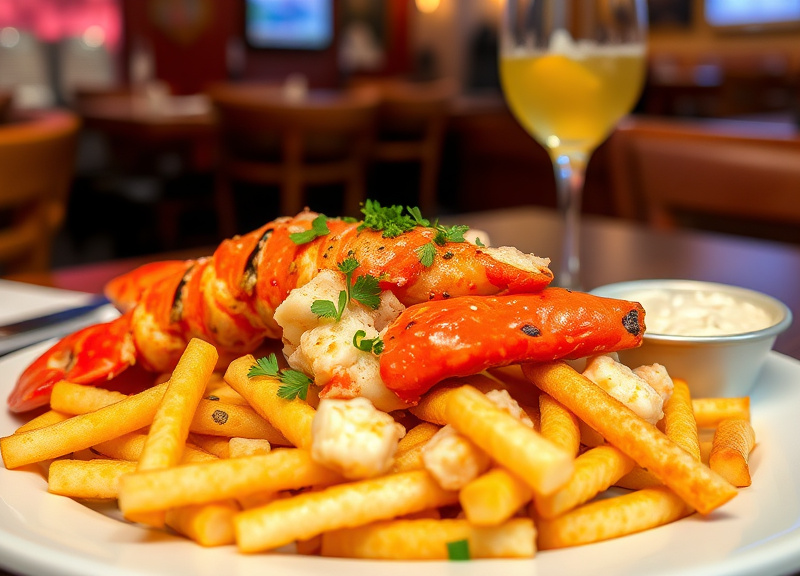
Seafood Entrées make up the bulk of the Red Lobster menu, and nearly every dish in this category involves shellfish, fish, or both, making this the most important section for guests with seafood-related allergies to review carefully.
Shrimp dishes, including scampi, garlic shrimp, and popcorn shrimp, all contain shellfish as the primary protein and are typically prepared using shared fryers and pans that may also touch other shellfish items, increasing cross-contact risk even for dishes that don’t list shrimp directly.
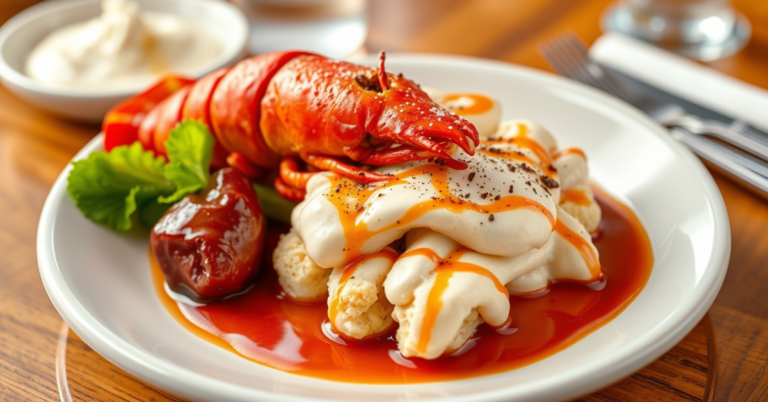
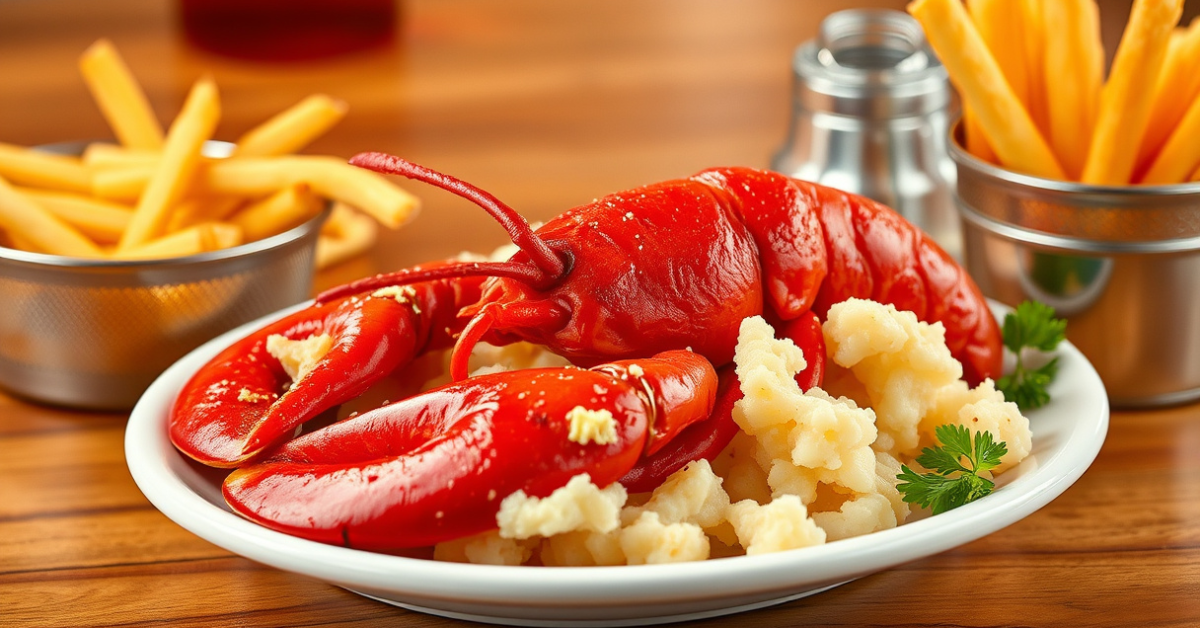
Lobster dishes, including tails, lobster bakes, and lobster-topped entrées, carry the same shellfish allergen concerns as shrimp and are often prepared in the same kitchen stations, meaning guests with any shellfish allergy should treat the entire lobster and shrimp portion of the menu as off-limits without exception.
Finfish entrées, such as salmon, cod, and tilapia, do not contain shellfish directly but are frequently grilled or fried on the same surfaces used for shrimp and lobster dishes, so guests with shellfish allergies should still ask about preparation methods before ordering a fish-only entrée.
Many entrées are also finished with butter, cream-based sauces, or breading that contains gluten and dairy, so guests managing multiple allergies should ask for a full ingredient breakdown rather than assuming a fish-based entrée is automatically safe.
| Category | Common Allergens Present | Cross-Contact Risk |
|---|---|---|
| Shrimp Dishes | Shellfish, Gluten (if breaded) | High |
| Lobster Dishes | Shellfish, Dairy (butter) | High |
| Grilled Finfish | Fish | Moderate (shared grill) |
| Fried Finfish | Fish, Gluten, Shellfish (shared fryer) | High |
Appetizers & Allergens
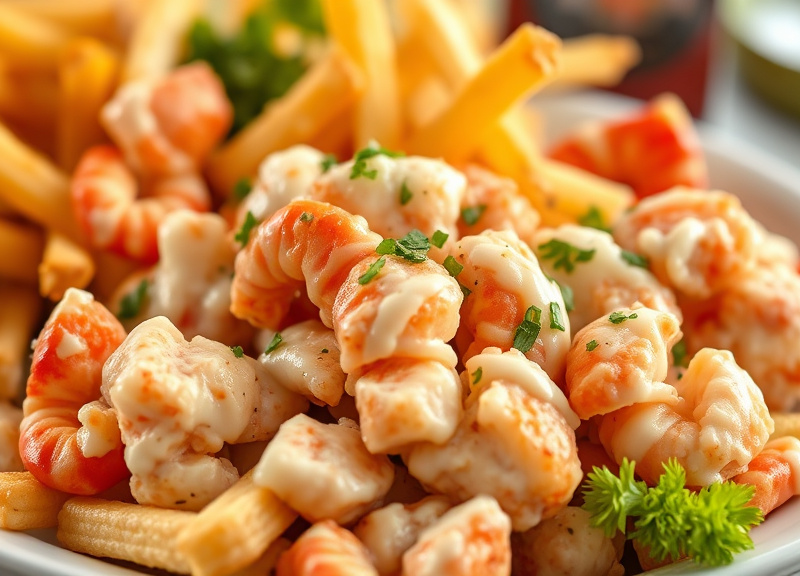
Appetizers at Red Lobster present some of the highest cross-contact risk on the entire menu, since many starters are fried in shared oil alongside shrimp and other shellfish items.
Cheddar Bay Biscuits, one of the restaurant’s most iconic items, contain both gluten and dairy as core ingredients, making them unsuitable for guests avoiding either allergen. They are baked in a shared oven, so cross-contact with other allergens is also possible.
Fried appetizers such as calamari, coconut shrimp, and crab-stuffed mushrooms all involve a combination of shellfish, gluten, and dairy, and are typically cooked in shared fryers used throughout the kitchen for multiple seafood items.
Chilled seafood starters, including shrimp cocktail, contain shellfish directly but carry lower cross-contact risk since they are not cooked in shared fryers, though shared preparation surfaces remain a consideration.
Guests with severe allergies should treat the fried appetizer section of the menu as high-risk overall and speak directly with a manager about dedicated preparation options where available.
| Item | Common Allergens Present | Cross-Contact Risk |
|---|---|---|
| Cheddar Bay Biscuits | Gluten, Dairy | Moderate |
| Coconut Shrimp | Shellfish, Gluten, Tree Nut (coconut) | High |
| Calamari | Shellfish (mollusk), Gluten | High |
| Shrimp Cocktail | Shellfish | Moderate |
Sides & Salads Allergens
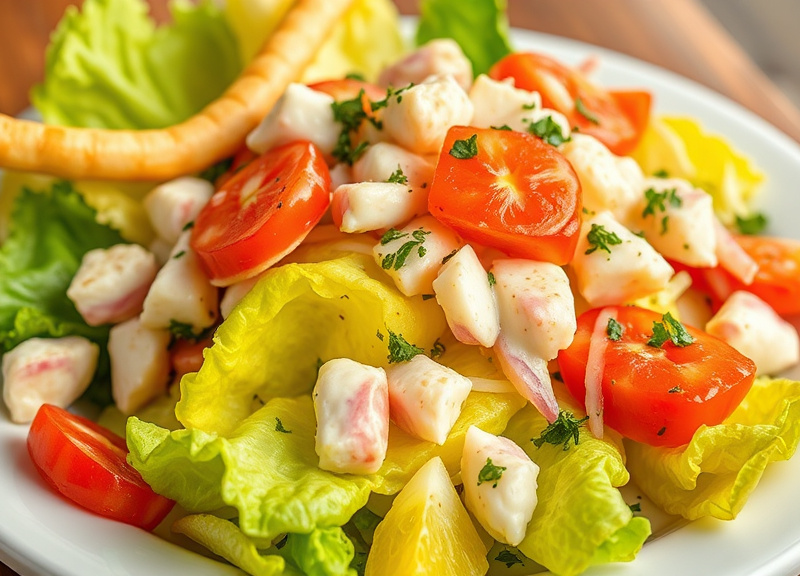
Sides & Salads generally carry a lower allergen risk than the fried appetizers and shellfish entrées, but several common allergens still appear throughout this category.
Rice pilaf and baked potatoes are typically free of major shellfish allergens but may be prepared using shared utensils in a busy kitchen, so guests with severe allergies should still confirm preparation methods with staff.
Caesar salad contains dairy from the parmesan cheese and dressing, along with gluten from the croutons, both of which can typically be removed upon request to create a lower-allergen version of the dish.
Steamed vegetables are generally considered one of the safer side options on the menu, though guests should confirm whether butter is added during preparation if avoiding dairy.
Because sides are often plated alongside seafood entrées, even allergen-friendly sides can pick up cross-contact from shared serving trays, so guests with severe allergies should mention this concern when ordering.
| Item | Common Allergens Present | Cross-Contact Risk |
|---|---|---|
| Rice Pilaf | None Typically | Low |
| Baked Potato | Dairy (if topped) | Low |
| Caesar Salad | Dairy, Gluten (croutons) | Moderate |
| Steamed Vegetables | Dairy (if buttered) | Low |
Desserts & Beverages Allergens

Desserts & Beverages round out the menu and generally carry a different allergen profile than the seafood-heavy sections, though dairy, gluten, and tree nuts remain common concerns.
Chocolate Wave Cake and similar layered desserts typically contain gluten, dairy, and eggs, making them unsuitable for guests avoiding those allergens without a substitute dessert option.
Key Lime Pie contains dairy and gluten from the crust, though it does not typically include shellfish or tree nuts, making it a somewhat safer option for guests specifically avoiding seafood-related allergens.
Most fountain beverages, coffee, and tea are free of major allergens, though flavored syrups and specialty drinks should be confirmed individually, since some may contain dairy or nut-based flavoring.
Guests managing multiple allergies should ask whether a simplified dessert, such as fresh fruit where available, can be prepared as an alternative to the standard dessert menu.
| Item | Common Allergens Present | Cross-Contact Risk |
|---|---|---|
| Chocolate Wave Cake | Gluten, Dairy, Egg | Moderate |
| Key Lime Pie | Gluten, Dairy, Egg | Moderate |
| Fountain Beverages | None Typically | Low |
| Coffee / Tea | None Typically | Low |
How Should You Communicate Allergies At Red Lobster?
Because Red Lobster’s menu is built almost entirely around seafood, clear communication with your server is one of the most important steps for any guest managing a food allergy, especially a shellfish allergy. Letting your server know about your allergy as soon as you’re seated gives the kitchen the most time to prepare accordingly.
Many locations can provide a printed or digital allergen guide upon request, which breaks down major allergens by menu item in more detail than what’s typically printed on the standard menu itself.
For guests with severe or life-threatening allergies, it’s worth asking to speak directly with a manager or kitchen staff member rather than relying solely on server communication, since they can confirm specific preparation methods and cross-contact precautions for your particular order.
Because Red Lobster’s kitchen relies heavily on shared fryers and grills for shellfish, fish, and other menu items, guests with severe shellfish allergies should discuss whether dedicated cooking equipment or separate preparation areas are available before ordering.
Frequently Asked Questions
Where Can You Find An Official Red Lobster Allergen Menu?
You can find official Red Lobster allergen information by visiting the restaurant’s website, where a detailed allergen guide is typically available for download. Many locations can also provide a printed allergen guide upon request when you arrive.
Checking this information ahead of time helps you plan your order and prepare questions for your server before your visit, which is especially helpful for guests managing multiple allergies at once.
Does A Red Lobster Allergen Menu Cover Every Possible Allergen?
A Red Lobster Allergen Menu typically covers the major recognized food allergens, including shellfish, fish, dairy, gluten, soy, egg, and tree nuts. Less common sensitivities may not always be listed in as much detail.
If you have a less common allergy or sensitivity not typically covered on standard allergen guides, it’s worth speaking directly with staff about your specific concern before ordering.
Why Might Allergen Information At Red Lobster Change?
Allergen information can change because of ingredient supplier updates, recipe modifications, or seasonal menu changes. A Red Lobster Allergen Menu provides a helpful general reference, but ingredients can shift over time even for long-running menu items.
You should always confirm current allergen information with staff at the time of your visit rather than relying solely on information gathered in advance.
Can Red Lobster Accommodate Severe Food Allergies?
Many Red Lobster locations can accommodate certain food allergies by modifying preparation methods or avoiding specific ingredients, though full elimination of cross-contact risk is not always possible in a kitchen that handles shellfish extensively.
Guests with severe or life-threatening allergies should discuss their specific needs with a manager before ordering and consider whether the restaurant’s shared-kitchen setup is appropriate for their level of risk tolerance.
Does A Red Lobster Allergen Menu Include Gluten-Free Information?
Yes, allergen guides typically flag gluten alongside other major allergens, though a dedicated gluten-free menu with more detailed information is also usually available for guests focused specifically on gluten avoidance.
Guests avoiding gluten for reasons beyond a diagnosed allergy, such as celiac disease, should ask specifically about cross-contact precautions, since standard allergen flags may not address the stricter requirements of a celiac diet.
Final Word
A Red Lobster Allergen Menu makes it much easier to plan a safer visit before you sit down to order. From understanding which seafood dishes carry the highest shellfish cross-contact risk to identifying dairy and gluten in sides, appetizers, and desserts, having a clear overview helps you ask the right questions and make more informed choices at the table.
Keeping a Red Lobster Allergen Menu reference on hand also saves time when planning a family dinner or a meal out with guests managing different dietary restrictions. Since ingredients and preparation methods can change over time, always confirm current allergen information directly with restaurant staff before ordering, especially if you’re managing a serious or life-threatening allergy.